
Essential Oil Production Methods: A Simple Guide
ESSENTIAL OILS 101
1/13/20252 min read
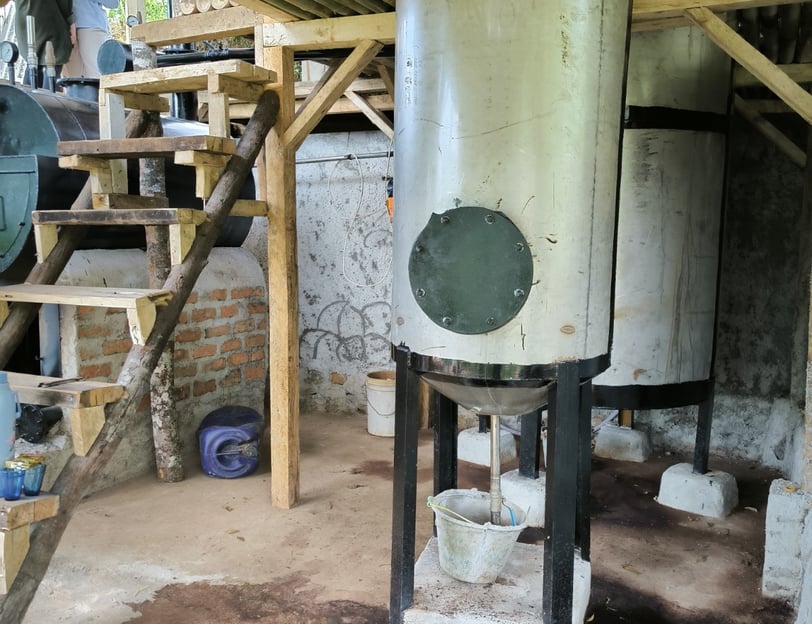
Essential oils are powerful plant extracts cherished for their therapeutic, aromatic, and practical benefits. The process of producing these oils is a delicate and intricate task that ensures the essence of the plant is captured in its purest form. Here’s a simple guide to the most common methods used to produce essential oils.
1. Steam Distillation
Steam distillation is the most widely used method for producing essential oils. It involves passing steam through plant material to release essential oils.
How It Works:
Steam breaks down the plant cells containing the oil.
The steam and oil vapor rise and are condensed back into liquid form.
The oil is separated from the water and collected.
Commonly Used For: Lavender, eucalyptus, tea tree, and peppermint oils.
Why It’s Popular:
This method is efficient, maintains oil purity, and is suitable for heat-tolerant plants.
2. Cold Pressing
Cold pressing, also known as expression, is used primarily for citrus oils. This method involves mechanically pressing the oil from the peels of fruits.
How It Works:
The outer peel of the fruit is punctured and pressed to release oil.
The oil is separated from the juice and collected.
Commonly Used For: Orange, lemon, lime, and bergamot oils.
Why It’s Popular:
Cold pressing preserves the natural aroma and properties of citrus oils.
3. Solvent Extraction
Solvent extraction is used for plants that are too delicate for steam distillation, such as flowers. This method involves using a solvent to dissolve the essential oil from the plant material.
How It Works:
Plant material is mixed with a solvent, such as ethanol or hexane.
The mixture is filtered, and the solvent is removed, leaving behind the oil.
Commonly Used For: Jasmine, rose, and tuberose oils.
Why It’s Popular:
It’s ideal for extracting oil from delicate plants and produces a rich, concentrated aroma.
4. CO2 Extraction
CO2 extraction uses carbon dioxide under high pressure and low temperature to extract essential oils.
How It Works:
CO2 is turned into a liquid-like state under high pressure.
The liquid CO2 extracts the essential oil from the plant.
The CO2 is evaporated, leaving pure essential oil.
Commonly Used For: Frankincense, chamomile, and ginger oils.
Why It’s Popular:
This method produces high-quality oils with a longer shelf life and retains more of the plant’s natural properties.
5. Enfleurage (Traditional Method)
Enfleurage is one of the oldest methods of extracting essential oils, though it’s rarely used today due to its labor-intensive process.
How It Works:
Plant material is laid on a layer of fat, which absorbs the essential oil.
The oil is extracted from the fat using alcohol.
Commonly Used For: Fragile flowers like jasmine and tuberose.
Why It’s Unique:
This traditional method captures delicate scents that other methods might degrade.
6. Hydrodistillation
Hydrodistillation is similar to steam distillation but involves submerging plant material directly in water.
How It Works:
Plant material is boiled in water.
The steam carrying the oil rises, is condensed, and separated.
Commonly Used For: Roots, barks, and some flowers.
Why It’s Used:
It’s suitable for plants that might clump or burn in regular steam distillation.
Why Choosing the Right Method Matters
Each method has its advantages and is selected based on the plant type, desired oil quality, and intended use. Whether you’re a buyer or manufacturer, understanding these methods helps you appreciate the care and precision that goes into every bottle of essential oil.
With this knowledge, you can better identify high-quality essential oils that suit your business needs. By partnering with suppliers who prioritize proper extraction methods, you ensure the best results for your products and customers.


